
The Unsung Heroes: Behind-the-Scenes Roles That Shape Film Magic
By Logan Zambrano 5 min read
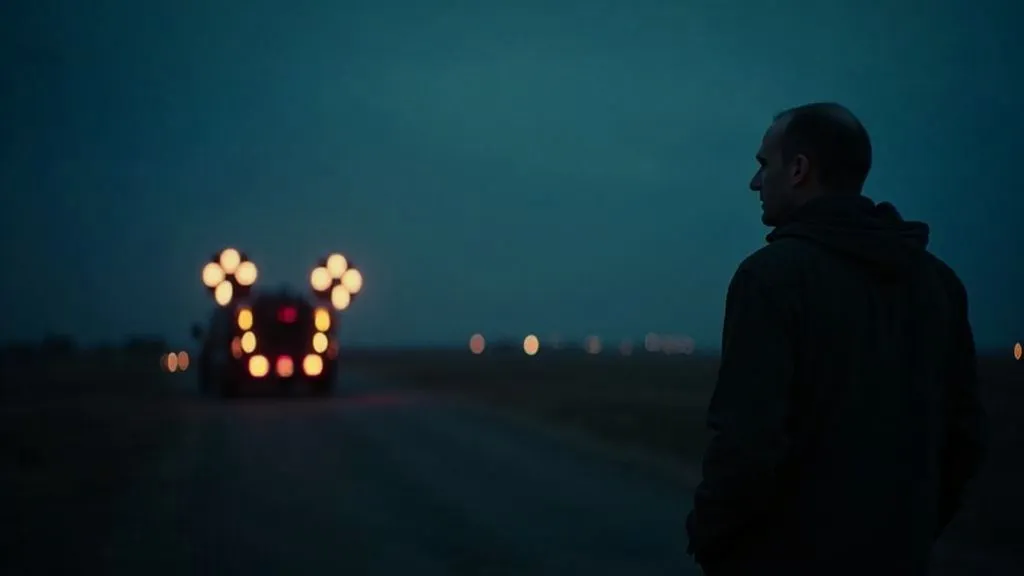
In the realm of cinema, the stars often steal the limelight. Audiences flock to theaters to witness the brilliance of actors and directors, enthralled by their storytelling prowess and on-screen charisma. However, behind every captivating film lies a network of dedicated professionals whose contributions are equally vital yet frequently overlooked. This article delves into the lesser-known behind-the-scenes roles that play a crucial part in the filmmaking process, shining light on those unsung heroes who help bring stories to life.
The Production Designer: Crafting Visual Landscapes
When viewers step into a film's world, they are often mesmerized by the environments portrayed on screen. The production designer is the creative force responsible for this visual storytelling. They collaborate with directors to create the aesthetic of the film, from the grand sets of a fantasy epic to the intimate spaces of a romantic drama.
The role involves extensive research and creativity. Production designers often delve into history, architecture, and culture to ensure authenticity. They meticulously select color palettes, textures, and props to create environments that evoke a specific mood or narrative. For instance, in a period piece, the production designer must ensure that every element on screen reflects the time accurately, transporting the audience back into that era.
Moreover, they work closely with the art department and set decorators, ensuring that the visual elements align with the screenplay's vision. Despite their immense contributions, production designers rarely receive the recognition they deserve, often overshadowed by the director's more prominent role.
The Cinematographer: The Eyes of the Film
The cinematographer, or director of photography, is responsible for capturing the film's visual essence. Their role encompasses a range of responsibilities, from selecting camera angles and movements to determining lighting schemes and color grading. A cinematographer must interpret the director’s vision, translating it into a visual language that tells the story effectively.
Lighting is a critical aspect of a cinematographer's job. The way a scene is lit can dramatically alter its tone and emotional impact. For example, a harshly lit scene can evoke tension, while soft, diffused lighting might suggest warmth or nostalgia. The cinematographer’s choices shape how audiences perceive the characters and their journeys.
Moreover, the collaboration between the cinematographer and the director is essential for cohesive storytelling. They often engage in visual pre-production, discussing how each shot serves the narrative. A seamless partnership can elevate a film from good to extraordinary, yet, like production designers, cinematographers often go unnoticed despite their pivotal role.
The Sound Designer: Crafting the Auditory Experience
Sound design is another crucial but often underappreciated aspect of filmmaking. A sound designer is tasked with creating the auditory landscape of a film. This role involves more than just adding background noise or sound effects; it’s about crafting an immersive experience that complements the visuals and narrative.
Sound designers work meticulously to record, edit, and manipulate sounds that enhance the film’s emotional tone. They might create a thunderstorm’s rumble, the rustle of leaves, or even the subtleties of a character's breath. The careful layering of these sounds helps to build tension and create atmosphere, drawing viewers deeper into the story.
In addition, sound mixing plays a significant role during post-production. This process involves balancing dialogue, sound effects, and musical scores to ensure clarity and impact. The final soundscape can make or break a viewer’s emotional engagement with the film, yet the sound designer often remains in the shadows.
The Editor: Weaving the Narrative Together
The editor is perhaps one of the most vital components of the filmmaking team, serving as the storyteller who shapes the final product. They are responsible for assembling the film’s footage into a cohesive narrative, deciding which scenes to keep, cut, or rearrange. An editor's work can drastically change the pacing and tone of a film, influencing how audiences feel about the story.
An editor collaborates closely with the director, often making creative decisions that enhance the film’s impact. They analyze the rhythm of each scene, ensuring that the flow maintains audience engagement. This process can involve countless hours of reviewing footage, testing different cuts, and refining transitions.
Additionally, editors play a vital role in establishing character arcs and emotional beats. A well-timed cut can amplify a dramatic moment or inject humor into a scene. Despite their essential contributions, editors often go unrecognized, with their names frequently appearing at the end of the credits.
The Costume Designer: Dressing the Narrative
Costume designers are responsible for creating the wardrobe that brings characters to life. Their work goes beyond mere aesthetics; costumes can reveal a character’s personality, social status, and even their emotional state. Whether designing elaborate gowns for a historical epic or casual attire for a contemporary drama, costume designers play a pivotal role in visual storytelling.
Costume designers conduct extensive research to ensure authenticity, often drawing inspiration from the film's setting, period, and character backgrounds. They collaborate closely with directors and actors, ensuring that costumes align with the overall vision and enhance character development. A character's wardrobe can significantly inform their journey and evolution throughout the film.
Despite their intricate work and the power of clothing to convey meaning, costume designers often remain in the background, overshadowed by the actors who wear their creations.
Conclusion: Honoring the Craft Behind the Curtain
As audiences enjoy films, it is crucial to remember the myriad of professionals working tirelessly behind the scenes to create cinematic magic. From production designers and cinematographers to sound designers, editors, and costume designers, each plays an essential role in bringing stories to life. Their collaborative efforts ensure that viewers are not just watching a film; they are experiencing a carefully crafted narrative.
By acknowledging and celebrating these unsung heroes, we gain a deeper appreciation for the art of filmmaking. The next time you watch a film, take a moment to reflect on the individuals who helped shape that experience. Their expertise and dedication make every moment on screen possible, and their contributions deserve recognition in the pantheon of cinematic excellence.